

Select City


Select City
Date of posting: 24-02-2025
Reading time: 6 min read
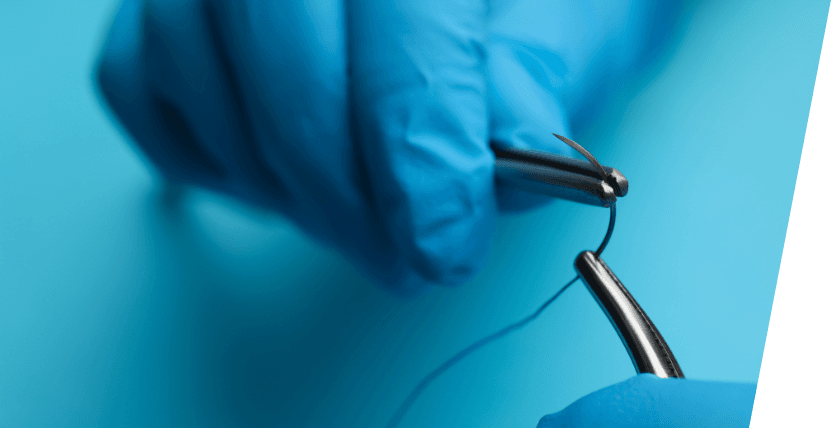
A suture, commonly known as a stitch, is a sterile thread used to hold body tissues together after a cut, injury, or surgical procedure. Sutures help close wounds, promote healing, and reduce the risk of complications. They are widely used by surgeons and healthcare professionals to repair skin, blood vessels, and internal tissues following surgery or trauma.
Sutures are designed to be strong, flexible, hypoallergenic, and safe for use in the body. Depending on the type of wound and the healing process, sutures are typically removed within 7 to 14 days after the procedure.
The type of suture used depends on the tissue being repaired and the expected healing time.
Absorbable sutures gradually dissolve and are naturally absorbed by the body as the wound heals. These sutures do not require removal and are commonly used for internal tissues and surgical repairs.
Non-absorbable sutures remain intact and must be removed by a healthcare professional once the wound has healed. These are commonly used for skin closures and wounds that require long-term support.
Proper wound care is essential to promote healing and prevent infection.
Keeping the wound dry during the initial healing period helps reduce the risk of infection. After the first 24 hours, the wound may be briefly exposed to water if advised by your healthcare provider, but it should be gently patted dry immediately afterwards.
Use only those creams, ointments, or medications recommended by your doctor. If the wound is covered with a dressing, follow the instructions provided regarding cleaning and changing the dressing.
Keeping the wound clean helps prevent infection. Avoid exposing the area to dirt, dust, or contaminants and always wash your hands before touching the wound.
Avoid activities that place stress on the stitched area. Excessive stretching or pulling may cause the wound to reopen and delay healing.
Healing occurs gradually and varies from person to person.
Do not remove wound dressings unless instructed by your healthcare provider. Dressings protect the wound and support the healing process.
Scabs form naturally during healing and should not be picked or scratched. They will fall off on their own once the wound has healed.
A small amount of oozing after suture removal can be normal. However, persistent discharge should be evaluated by a healthcare professional.
It is normal for a scar to appear red or slightly raised initially. Over time, the scar usually becomes lighter and less noticeable.
Proper scar management can help improve healing and reduce scar visibility.
After the wound has completely healed and your healthcare provider has approved it, gentle scar massage may help improve flexibility and tissue mobility.
Using doctor-recommended moisturizers such as Vitamin E creams, aloe vera products, or fragrance-free lotions can help soften the scar tissue.
New scars are sensitive to sunlight. Applying sunscreen with SPF 30 or higher and covering the area when outdoors can help prevent discoloration.
It is important to monitor the wound for any signs of infection and seek medical attention if needed.
A fever occurring after surgery or injury may indicate an infection.
Increasing redness around the wound, especially if it spreads, should be evaluated promptly.
Persistent swelling accompanied by warmth may indicate inflammation or infection.
Worsening pain after initial improvement can be a warning sign of infection.
Any pus, excessive drainage, or unpleasant odor from the wound requires immediate medical attention.
Receiving suture removal services at home offers several advantages:
Managing wound care after surgery can be challenging without professional assistance. Apollo Homecare provides expert nursing support to ensure safe and effective recovery.
Our nurses undergo rigorous training and competency assessments to deliver safe and evidence-based wound care.
Regular refresher training and clinical upskilling ensure our nursing staff remain updated with the latest wound management practices.
Patients receive ongoing support through scheduled reviews and clinical supervision to ensure optimal recovery.
Every patient receives care based on established clinical guidelines and individualized treatment plans tailored to their specific needs.
Apollo Homecare offers access to a wide range of healthcare services under one roof, including:
Apollo Homecare combines clinical expertise, compassionate care, and convenience to deliver high-quality healthcare services in the comfort of your home. Our dedicated healthcare professionals ensure that patients receive the support they need throughout their recovery journey.
Whether it is wound dressing, suture removal, post-surgical care, or ongoing nursing support, Apollo Homecare is committed to helping patients recover safely and comfortably at home.
For professional suture removal and wound care services at home, call 1800 108 8586 and experience trusted healthcare delivered to your doorstep.

Written by:
Apollo HomeCare is a trusted name in home healthcare, dedicated to delivering world-class medical care to patients in the comfort of their homes. With a team of expert doctors, nurses, and therapists, Apollo HomeCare provides personalized healthcare solutions, from post-surgical care and chronic disease management to physiotherapy and elder care. As a thought leader in the healthcare industry, Apollo HomeCare shares insightful blogs on home healthcare trends, wellness tips, and expert medical guidance to help individuals and families make informed health decisions. Our mission is to ensure quality healthcare is accessible, convenient, and compassionate.


