

Select City


Select City
Date of posting: 24-02-2025
Reading time: 5 min read
Healthcare is rapidly evolving with technology, making it possible for patients to receive continuous medical supervision without frequent hospital visits. One of the most significant advancements in modern healthcare is Remote Patient Monitoring (RPM).
Remote Patient Monitoring uses digital technologies and connected medical devices to collect, track, and transmit a patient's health information to healthcare providers in real time. This allows doctors and caregivers to monitor health conditions, identify potential concerns early, and provide timely medical interventions while patients remain in the comfort of their homes.
At Apollo Homecare, Remote Patient Monitoring solutions help patients with chronic conditions receive proactive care, improve treatment outcomes, and enjoy greater peace of mind.
Remote Patient Monitoring (RPM) is a healthcare technology that enables the collection and transmission of vital health data from patients to healthcare professionals remotely.
The system continuously tracks important health parameters such as:
This information is securely shared with healthcare providers, allowing them to assess the patient's condition, adjust treatment plans, and intervene when necessary.
Remote monitoring systems follow a simple yet highly effective process.
Smart medical devices and wearable technologies collect vital health information from the patient. These devices automatically record health parameters and sync them with a smartphone application or monitoring platform.
The collected information is securely transmitted through mobile applications or cloud-based systems to healthcare providers for review and analysis.
Healthcare providers analyze the incoming data and compare it against predefined health thresholds.
If any abnormal readings are detected, the system generates alerts and notifies healthcare professionals for immediate attention.
Based on the patient's health status, healthcare providers can:
This proactive approach helps prevent complications and supports better disease management.
Remote monitoring offers several advantages that improve convenience, safety, and healthcare outcomes.
Patients can receive continuous medical supervision without traveling to hospitals or clinics.
Regular monitoring helps identify warning signs before they develop into serious complications.
Many routine checkups and follow-ups can be managed remotely, reducing unnecessary hospital visits.
Patients with chronic conditions receive ongoing monitoring and timely treatment adjustments.
Patients gain a better understanding of their health and become more actively involved in managing their conditions.
Real-time monitoring enables healthcare providers to respond quickly when abnormal readings are detected.
Patients can receive quality healthcare while remaining in familiar and comfortable surroundings.
Remote monitoring reduces travel expenses, hospital admissions, and overall healthcare costs.
Remote Patient Monitoring also offers significant advantages for physicians and healthcare organizations.
Doctors can continuously monitor patient health and track trends over time.
Automated monitoring reduces administrative workload and allows healthcare providers to focus on patient care.
Access to historical health data helps physicians make informed clinical decisions.
Potential health risks can be identified and addressed before they become emergencies.
Continuous communication strengthens the doctor-patient relationship and improves treatment adherence.
Healthcare providers can efficiently manage and support a larger number of patients remotely.
Several advanced devices are used to monitor health conditions remotely.
Smart wearable devices continuously track:
These devices provide clinicians with valuable insights for personalized patient care.
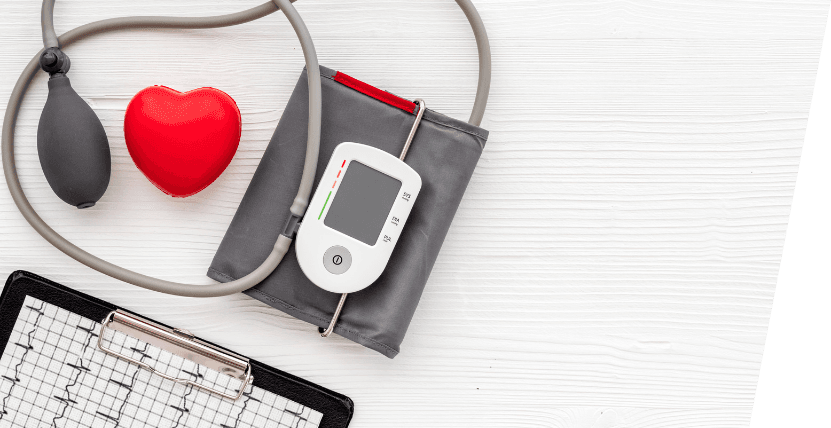
Connected blood pressure monitors automatically record readings and securely transmit them to healthcare providers.
Smart glucometers measure blood glucose levels and automatically share readings with healthcare providers.
Digital thermometers provide accurate body temperature readings and instantly share data with healthcare professionals.
Remote ECG devices record the heart's electrical activity and transmit data directly to healthcare providers.
These devices continuously measure heart rate and provide valuable cardiovascular insights.
Connected weighing scales automatically record and transmit weight data.
Remote monitoring is particularly valuable for:
Apollo Homecare combines advanced technology with expert clinical support to deliver seamless remote healthcare solutions.
Real-time monitoring of vital health parameters from the comfort of home.
Automated alerts help identify potential health concerns before they become emergencies.
Healthcare professionals regularly review patient data and provide timely guidance.
Access to doctors, nurses, diagnostics, and medical equipment through a single trusted provider.
Customized monitoring plans designed according to individual health needs.
Remote Patient Monitoring is revolutionizing healthcare by making medical supervision more accessible, proactive, and patient-centric. By enabling real-time tracking of vital health data, RPM helps improve disease management, reduce hospitalizations, and enhance overall quality of life.
For patients living with chronic conditions, recovering from illness, or requiring regular health monitoring, Remote Patient Monitoring offers a safe, convenient, and effective healthcare solution.
Apollo Homecare leverages advanced monitoring technologies and expert clinical support to ensure patients receive continuous care and timely medical attention—anytime, anywhere.
For Remote Patient Monitoring and Home Healthcare Services:
📞 1800 108 8586
Experience connected healthcare and continuous care with Apollo Homecare.

Written by:
He is an expert writer with over 10 years of experience in healthcare. He writes on a variety of healthcare subjects.


