


Select City


Select City
Date of posting: 24-02-2025
Reading time: 7 min read
When a family member is recovering from a severe injury, major surgery, or managing a chronic illness, transforming a bedroom into a safe recovery space is essential. One of the most critical components of this transition is selecting the right medical bed.
Standard home beds lack the specialized positioning and safety mechanisms required for individuals with limited mobility. Bringing a specialized hospital bed for rent at home or purchasing one ensures that both the patient and the caregiver have the clinical support necessary for a smooth, dignified recovery process.
A hospital bed is a professionally engineered bed designed specifically for patients who are bedridden or require round-the-clock clinical care.
A medical bed for home use is adapted to meet the unique needs of recovering individuals who must spend extended periods resting. Unlike a standard mattress and frame, these units are highly flexible. Their built-in adjustability makes them exceptionally appropriate for providing customized postural support, reducing physical strain, and enabling home care nurses and family caregivers to deliver seamless, high-quality medical assistance.
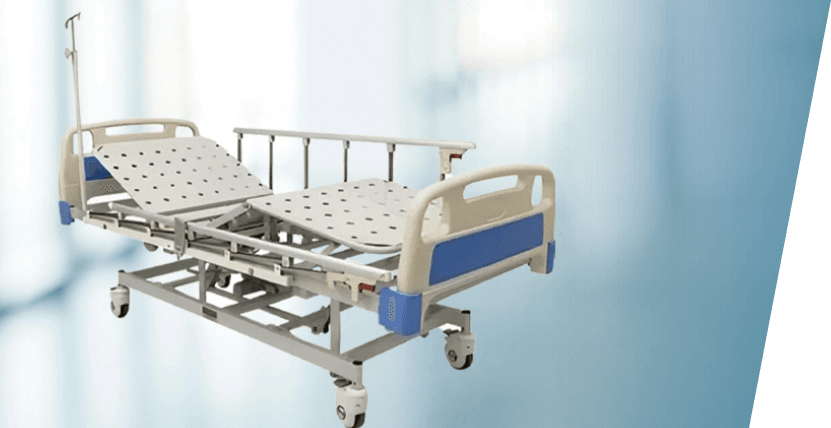
The ideal bed for your home setup depends entirely on the patient's physical limitations and long-term prognosis. Medical beds are broadly divided into three primary categories based on how they are operated:
Manual hospital beds are the most traditional and common option available. They do not require any electrical connections or advanced digital technology. To modify the angle of the head, foot, or the overall height of the frame, a caregiver must physically turn a mechanical hand crank located at the base of the bed.
A semi-electric bed is linked to an internal motor that requires a standard electrical outlet to operate. Using an attached remote controller, the patient can independently adjust the position of their head and feet to sit up or elevate their legs. However, the overall height of the bed frame itself cannot be changed automatically; a caregiver must still adjust the frame height manually using a physical crank. If a power outage occurs, these units transition seamlessly into standard manual beds.
A full-electric bed is the most advanced and convenient option on the market. These systems are entirely motorized, allowing the patient or caregiver to change the head elevation, foot elevation, and total frame height with a single click of a remote control button. This completely eliminates manual lifting or cranking, making it the safest option for heavy or highly dependent patients.
💡 Important Medical Safeguard: It is absolutely essential to consult your primary attending physician or an expert home healthcare provider about specific physical requirements and weight recommendations before finalized a rental or purchase arrangement.
Investing in a specialized medical bed promotes proper physiological rest, protects skin integrity, and accelerates the timeline of a patient's overall recovery:
Improved Incontinence and Mobility Support: For bedridden individuals who spend most of their day resting, a hospital bed's multi-section positioning options drastically improve daily comfort and nighttime sleep quality. Height-adjustable features make transferring the patient to a wheelchair much smoother.
Helps Avoid Painful Pressure Ulcers: Constant immobility puts immense pressure on localized tissues. The dynamic repositioning options of an adjustable bed offer targeted postural support, which significantly decreases the risk of developing painful bedsores and deep pressure ulcers.
Maintains Maximum Patient Safety: These units are heavily equipped with safety features, such as integrated adjustable side rails or specialized mattresses with perimeter bolsters, which minimize the chance of a vulnerable patient accidentally falling out of bed.
Maintains Cleanliness and Daily Hygiene: Keeping a bedridden patient clean is a top clinical priority. Home hospital beds feature durable, medical-grade vinyl covers that are completely waterproof and washable. This allows caregivers to quickly clean the surface and maintain pristine hygiene if stains, fluid spills, or spots occur.
Medical beds are available in a broad range of styles, dimensions, and operational mechanisms. Before selecting a patient bed for home, it is important to analyze these distinct characteristics to guarantee your loved one's safety:
Evaluate how long the patient will require specialized bedding. If an individual is permanently bedridden or spends greater than 15 hours a day resting, a full-electric home hospital bed is the best choice because it provides superior long-term durability and independent comfort. Conversely, manual or semi-electric models are highly cost-effective and perfectly suitable for short-term post-surgery recoveries.
A patient’s level of independent movement dictates the type of frame required. A highly adjustable, motorized bed is mandatory for unsteady individuals who suffer from severe balance issues or who cannot reposition their bodies without human assistance. If a patient is mentally alert and possesses normal upper-body mobility, a manually adjusted bed may be sufficient.
The health and stamina of the family member or home nurse providing the care must be considered. Constantly turning manual hand cranks to lift a heavy patient can lead to caregiver burnout or back injuries. An electric bed takes the physical strain completely off the caregiver by allowing the patient to execute self-positioning routines independently.
Patient beds are structurally rated for specific weight capacities to accommodate different age brackets and body types. For example, a heavy-duty bariatric bed is engineered significantly wider and stronger than a standard mattress to safely support heavier users. Meanwhile, pediatric or child-sized beds are designed with tight rail gaps to keep young patients securely positioned.
Modern push-button control panels allow users to modify the structural angles of the bed frame seamlessly. Ensuring your bed has functional, multi-section angling features allows for therapeutic positioning, such as elevating the head to assist with breathing and eating, or raising the knees to improve lower-body circulation.
Sturdy side rails serve multiple clinical purposes. Beyond keeping vulnerable individuals from rolling out of bed during the night, they act as stable grab bars that provide essential physical leverage when a patient needs to turn over, sit up, or safely transfer in and out of the bed frame.
Selecting the perfect medical bed can be a complex and difficult choice to make. To ensure total peace of mind, families must carefully balance the patient’s precise clinical diagnosis, required accessories, budget, built-in safety features, and positioning flexibility.
At Apollo Homecare, we simplify this entire process by providing high-quality, hospital-grade hospital beds for both rent and purchase. Our medical equipment team helps you evaluate your specific home environment and patient requirements, allowing you to secure the ideal manual, semi-electric, or full-electric bed setup seamlessly.
To speak with a medical equipment specialist about renting or buying a patient bed, reach out to our team today:
Call Our Customer Care: 1800 102 8586
Email Our Coordination Team: reach@apollohomecare.com

Written by:
Apollo HomeCare is a trusted name in home healthcare, dedicated to delivering world-class medical care to patients in the comfort of their homes. With a team of expert doctors, nurses, and therapists, Apollo HomeCare provides personalized healthcare solutions, from post-surgical care and chronic disease management to physiotherapy and elder care. As a thought leader in the healthcare industry, Apollo HomeCare shares insightful blogs on home healthcare trends, wellness tips, and expert medical guidance to help individuals and families make informed health decisions. Our mission is to ensure quality healthcare is accessible, convenient, and compassionate.


