


Select City


Select City
Date of posting: 24-02-2025
Reading time: 7 min read
The arrival of the monsoon season brings a welcome relief from intense summer heat, but it also triggers mixed reactions. While some look forward to the rainy days, others dread the sharp spike in humidity and sudden drops in temperature.
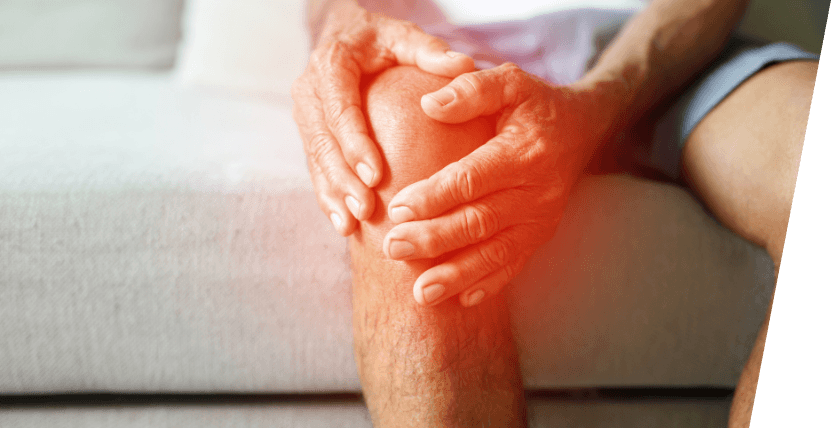
For millions of individuals—particularly senior citizens and those managing chronic bone health conditions—the onset of the rainy season signals a painful surge in physical discomfort. The relationship between joint pain in monsoon and shifting weather patterns is a major medical concern. While rain does not directly damage tissues, specific environmental shifts heavily influence how our nerves, bones, and joints perceive pain.
Medical research has helped orthopedic experts identify the exact external elements that cause knee, hip, and finger joints to ache more than usual during a downpour:
The monsoon season brings a dramatic rise in atmospheric moisture. High humidity can cause tissues inside the joints to micro-expand, leading to immediate swelling, stiffness, and increased vulnerability to acute pain.
Furthermore, shifting weather often causes people to reduce their daily intake of water and cold beverages. This subtle drop in hydration leads to systemic dehydration, which directly reduces the volume of lubricating synovial fluid around the bone junctions. Less fluid means increased internal friction, resulting in heightened pain.
Before and during a rainstorm, barometric (atmospheric) pressure drops significantly. Individuals with pre-existing conditions like osteoarthritis or rheumatoid arthritis are highly sensitive to these barometric drops.
When external air pressure falls, it allows the fluids and tissues surrounding the joints to expand outwards. This internal expansion puts extra pressure on highly sensitive local nerves, amplifying feelings of stiffness and deep throbbing aches.
Unpredictable downpours force most individuals to stay indoors and adopt a sedentary routine. Orthopedic experts warn that prolonged periods of inactivity cause the muscles to tighten and the joints to freeze up. When you finally attempt to move or get back to daily work, these stiffened joints face sudden mechanical friction, causing acute discomfort.
Monsoon weather is notoriously unpredictable, shifting rapidly between warm, humid blocks and damp, cool breezes. These frequent temperature swings alter the thickness and viscosity of the natural lubrication inside your joints. When the joint fluid thickens due to damp cold, it fails to coat the cartilage smoothly, causing a grinding sensation during basic physical movements.
The environmental stressors of the rainy season rarely cause isolated bone pain. Most patients report a cluster of associated musculoskeletal symptoms, including:
Progressive muscle weakness around the knees and lower back
Visible swelling and fluid retention in the hands, ankles, or feet
Severe morning muscle stiffness that takes hours to ease
A restricted range of motion that limits bending, walking, or climbing stairs
You can actively shield your skeletal health from seasonal flare-ups by incorporating these joint-friendly habits into your daily routine:
Commit to Regular Exercise: Engage in low-impact indoor exercises like spot walking, stationary cycling, or light mobility drills to strengthen supporting muscle groups.
Maintain a Healthy Weight: Carrying excess body weight places intense mechanical stress on weight-bearing joints like the knees and hips. Keeping weight balanced lowers the baseline wear-and-tear.
Eat a Balanced, Anti-Inflammatory Diet: Consume foods rich in antioxidants and Omega-3 fatty acids (found in walnuts, flaxseeds, and green leafy vegetables) to naturally suppress tissue inflammation.
Prioritize Daily Hydration: Drink adequate amounts of lukewarm water throughout the day to keep the joint capsule well-lubricated and reduce internal friction.
Protect Joints During Lifting: Use proper ergonomics and bending techniques when lifting heavy household objects to avoid sudden strains.
Take Frequent Breaks: If your daily work involves repetitive tasks or typing, take regular breaks to rest your wrists and fingers.
Warm-Up Before Movement: Perform a gentle 5-minute stretching routine before any home workout to drive oxygenated blood flow directly to your muscles.
Practice Yoga and Tai Chi: Embrace these gentle disciplines to significantly enhance your balance, core flexibility, and joint range of motion without overstraining the cartilage.
Avoid Prolonged Sitting: Sitting continuously causes joint fluid to stagnate. Stand up, stretch, and walk around your room at least once every hour.
Secure Adequate Sleep: Ensure you get 7 to 8 hours of deep sleep every night to allow your body to repair micro-damages in muscle and bone tissues.
Deploy Joint Protection Techniques: Utilize assistive tools, supportive braces, or physical splints recommended by a professional therapist to unload pressure from aching zones.
Listen to Your Body's Signals: Pay attention to sudden spikes in discomfort. Avoid pushing through severe pain; rest the affected limb and seek timely medical evaluation.
For patients dealing with chronic arthritis or severe seasonal flare-ups, traveling to a clinic in the middle of a monsoon can worsen their condition. Professional physiotherapy for joint pain delivered directly to your bedside provides comprehensive medical relief through multiple specialized modalities:
Targeted Pain Relief: Care experts utilize clinical manual therapy, targeted heat/cold rotation protocols, and gentle electrical stimulation (like TENS) to alleviate localized inflammation and soothe hyperactive pain receptors.
Customized Exercise Prescription: A physical therapist maps out a personalized movement plan to strengthen weak stabilizing muscles around the aching joints, distributing your body weight more evenly.
Gentle Joint Mobilization: Certified therapists apply measured, manual gliding techniques to gently unlock stiffened joints, making daily movements smoother and entirely pain-free.
Range of Motion Restoration: To counter monsoon-induced freezing, therapists guide patients through specialized stretching patterns to preserve and expand their daily flexibility.
Postural & Ergonomic Education: Patients are trained in optimal body mechanics to protect their spine and knees during ordinary movements like rising from a chair or climbing stairs.
Prescription of Assistive Devices: When necessary, a clinical therapist evaluates the home environment and trains the patient on the safe, correct use of walking aids, canes, or stabilizing splints.
Independent Home Programs: Therapists design structured, easy-to-follow exercise templates that patients can practice independently to ensure long-term bone and muscle health.
While physiotherapy is not a permanent cure for structural degenerative bone conditions like advanced arthritis, it stands as the gold standard for restoring joint function, reducing pain, and vastly improving your overall quality of life.
At Apollo Homecare, we are dedicated to delivering hospital-grade medical solutions directly to your living space. Our premium at-home physiotherapy services guarantee maximum patient comfort, eliminating the stress and physical hazards of traveling during harsh rainy weather.
If you or an elderly family member notices a spike in joint stiffness this season, our clinical experts are available to assist. For individuals managing long-standing bone conditions, we offer a specialized Ortho Rehab Subscription alongside comprehensive home physician checkups to keep your mobility seamlessly protected year-round.
To consult an orthopedic care coordinator or schedule an at-home physiotherapy evaluation, reach out to our team:
Toll-Free Helpline: 1800 102 8586
Direct Care Email: reach@apollohomecare.com

Written by:
He is an expert writer with over 10 years of experience in healthcare. He writes on a variety of healthcare subjects.


