

Select City


Select City
Date of posting: 24-02-2025
Reading time: 4 min read
The COVID-19 pandemic continues to evolve with the emergence of new variants. One such variant that gained attention globally is JN.1, a descendant of the Omicron family. As viruses naturally mutate over time, understanding new variants is essential for protecting ourselves and our communities.
While most reported JN.1 cases have been associated with mild symptoms, its increased transmissibility highlights the importance of staying informed, recognizing symptoms early, and following preventive measures.
In this article, we explore the JN.1 variant, its symptoms, transmission, prevention strategies, and the role of vaccination in reducing the risk of severe illness.
JN.1 is a sub-lineage of the Omicron variant that contains additional genetic mutations. Like other COVID-19 variants, it has evolved over time, allowing it to spread efficiently among populations.
Viruses continuously change through mutation, and most mutations have little impact. However, some changes can affect how easily a virus spreads or how effectively it evades existing immunity. JN.1 has been closely monitored because of its increased ability to spread compared to some earlier variants.
Understanding these changes helps healthcare professionals and public health authorities adapt prevention and treatment strategies accordingly.
Like other COVID-19 variants, JN.1 primarily spreads through respiratory droplets and airborne particles released when an infected person:
The variant appears to have enhanced transmissibility, making it easier to spread within communities, particularly in crowded or poorly ventilated spaces.
People who are elderly, immunocompromised, or living with chronic health conditions remain at higher risk of developing severe illness.
The symptoms of JN.1 are generally similar to those seen with other COVID-19 variants and common respiratory infections.
Most individuals experience mild to moderate symptoms and recover with supportive care.
Immediate medical attention may be required if symptoms include:
Although the severity of illness may be lower in many cases, prevention remains the most effective approach.
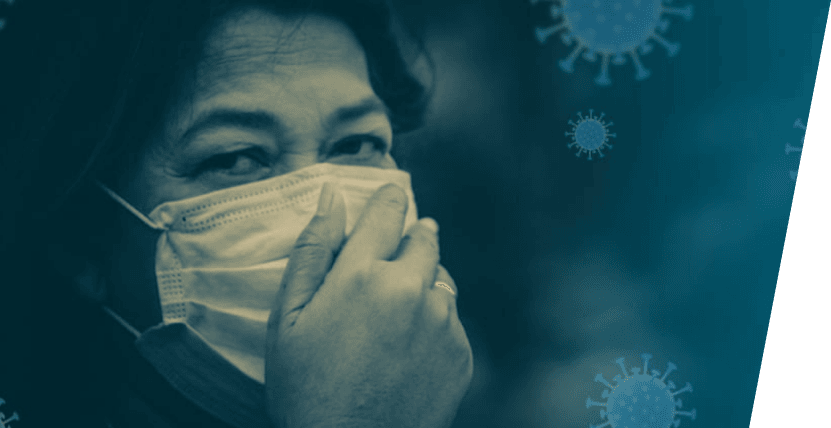
Consider wearing a mask:
Avoid close contact with people who are unwell and maintain adequate distance in crowded environments whenever possible.
If you experience symptoms suggestive of COVID-19:
Early identification and isolation help reduce transmission.
Vaccination continues to be one of the most effective tools in reducing the risk of severe COVID-19 illness.
Individuals who are eligible for booster doses should consult their healthcare provider regarding recommended vaccinations.
Healthcare authorities worldwide continue to monitor emerging variants through:
These measures help identify changes in virus behavior and support timely public health responses.
Accurate information is essential in managing any public health challenge.
Understanding the latest health recommendations helps individuals make informed decisions regarding:
Rely on trusted healthcare organizations and medical professionals for updates regarding COVID-19 variants and public health guidance.
Extra precautions may be necessary for:
Early medical consultation and preventive care can help reduce the risk of complications in these groups.
Apollo Homecare provides comprehensive healthcare support in the comfort of your home. Our services help patients access professional medical care while reducing unnecessary travel and exposure risks.
Our healthcare professionals are committed to delivering safe, personalized, and compassionate care tailored to individual needs.
The emergence of the JN.1 variant highlights the ongoing evolution of COVID-19 and the importance of remaining vigilant. While most cases are mild, understanding symptoms, following preventive measures, and staying up to date with vaccinations remain essential for protecting yourself and your loved ones.
Awareness, timely action, and access to quality healthcare are key to managing emerging health challenges effectively.
For professional healthcare services at home:
📞 1800 108 8586
Experience trusted healthcare services delivered safely and conveniently at your doorstep.

Written by:
Apollo HomeCare is a trusted name in home healthcare, dedicated to delivering world-class medical care to patients in the comfort of their homes. With a team of expert doctors, nurses, and therapists, Apollo HomeCare provides personalized healthcare solutions, from post-surgical care and chronic disease management to physiotherapy and elder care. As a thought leader in the healthcare industry, Apollo HomeCare shares insightful blogs on home healthcare trends, wellness tips, and expert medical guidance to help individuals and families make informed health decisions. Our mission is to ensure quality healthcare is accessible, convenient, and compassionate.


