

Select City


Select City
Date of posting: 05-03-2025
Reading time: 6 min read
"Drink less alcohol!" is a phrase we frequently hear, but apart from avoiding a negative habit, it is actually a critical warning issued for the sake of our long-term physiological health—especially our liver.
The liver is one of the most complex and hardworking internal organs, simultaneously playing multiple productive roles to keep the human body running smoothly. From aiding in complex digestive processes to filtering cellular waste, the liver is an absolute lifeline for our daily survival.
To confront the rising global burden of hepatic diseases, public health networks unite each year on April 19th to observe World Liver Day. This global campaign spreads critical awareness about less-known liver conditions, highlights the importance of early diagnostic screenings, and empowers families to make protective lifestyle modifications.
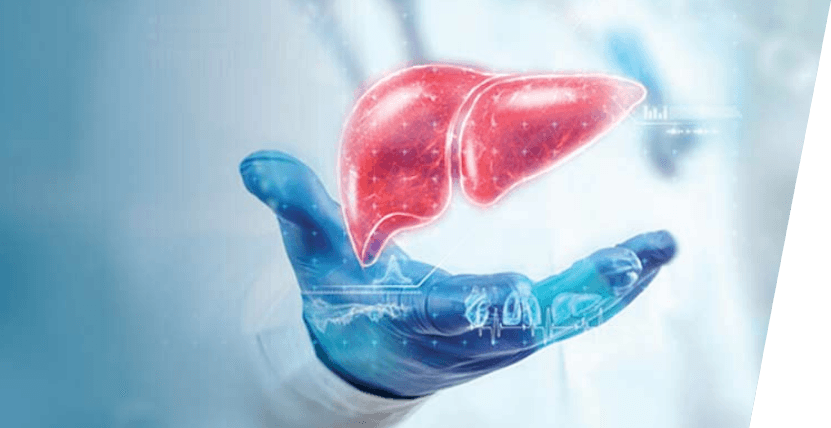
Weighing approximately 3 pounds, the liver is a cone-shaped, reddish-brown organ located in the upper right-hand section of the abdominal cavity. It is positioned securely just below the diaphragm but directly above the stomach, right kidney, and intestines.
Anatomically, the liver is divided into two primary sections: the larger right lobe and the smaller left lobe. Inside these sections, millions of hepatic cells work continuously to execute over 500 vital metabolic functions, including:
Plasma Protein Synthesis: The liver produces essential proteins required for blood clotting and fluid balance within the bloodstream.
Glycogen Storage and Regulation: It converts excess blood glucose into glycogen for compact storage, reversing the process to release energy whenever blood sugar levels drop.
Hemoglobin Processing: It systematically recycles aging red blood cells, processing hemoglobin to isolate and store its valuable iron content for future cell production.
Detoxification and Blood Filtration: The liver acts as the body's primary filtration plant, neutralizing metabolic waste, environmental toxins, alcohol, and pharmaceutical drug residues.
Bile Juice Production: It continuously manufactures and secretes bile juices, which are absolutely essential for breaking down and digesting dietary fats inside the small intestine.
While the liver possesses an extraordinary ability to repair itself by regenerating damaged tissue, chronic exposure to toxins or metabolic diseases can lead to permanent scarring (cirrhosis). If left unchecked, this progressive damage can eventually escalate into life-threatening hepatic failure. The primary medical conditions affecting this organ include:
Non-Alcoholic Fatty Liver Disease (NAFLD): Driven by metabolic syndrome, obesity, and poor diet, this involves the abnormal accumulation of excess fat inside liver cells.
Alcohol-Related Liver Disease (ARLD): Progressive tissue inflammation and necrosis triggered by heavy, long-term alcohol consumption.
Chronic Viral Infections: Pathologies like Hepatitis A, B, and C, which cause acute or lifelong liver inflammation.
Autoimmune Hepatitis: A chronic condition where the body’s immune system mistakenly targets and destroys healthy liver tissue.
Inherited Diseases: Genetic disorders, such as hemochromatosis or Wilson's disease, which cause dangerous accumulations of iron or copper within the liver framework.
Hepatic Carcinoma (Liver Cancer): The development of malignant tumor cells within the liver tissue, often as a long-term consequence of untreated cirrhosis.
Because early-stage liver decline often progresses silently, recognizing subtle systemic warning signs is crucial for securing a timely diagnosis. The primary physical indicators include:
Persistent, dull pain or tenderness localized in the upper right side of your abdomen can indicate hepatic swelling.
A failure in protein synthesis can lead to fluid imbalances, causing fluid to build up around the belly (ascites) or trigger severe swelling in the lower legs.
When the liver fails to excrete bile properly, bile salts accumulate in the bloodstream and deposit under the skin, triggering intense, persistent itching with no visible rash.
Advanced liver damage can alter systemic vascular resistance, leading to abnormally low blood pressure levels.
Because the liver regulates glycogen storage and cellular energy delivery, hepatic strain manifests as profound, unrefreshing daily fatigue and physical weakness.
A classic sign of hepatic distress is the yellowing of the skin and eyes, caused by a buildup of bilirubin in the blood. This condition is frequently paired with dark, tea-colored urine and pale, clay-colored stools.
To protect your liver health in the long run and keep your body disease-free, implement these eight preventive measures into your daily routine:
Eliminate Systemic Toxins: Drastically reduce or entirely eliminate alcohol consumption, quit smoking immediately, and strictly avoid the recreational abuse of pharmaceuticals.
Maintain a Balanced Weight: Achieve and preserve a healthy Body Mass Index (BMI) to protect your liver cells from fatty infiltration and metabolic inflammation.
Consume an Anti-Inflammatory Diet: Center your daily meals around whole grains, lean proteins, fresh vegetables, and fiber-rich fruits while eliminating trans fats and added sugars.
Avoid Unverified Herbal Remedies: Exercise extreme caution with over-the-counter herbal liver cleanses or unregulated supplements, as many contain compounds that cause direct drug-induced liver injury.
Prioritize Timely Vaccination: Secure complete immunization against Hepatitis A and Hepatitis B to shield your liver from dangerous viral pathogens.
Practice Rigorous Personal Hygiene: Wash your hands frequently with soap and water to block viral transmission pathways.
Never Share Personal Grooming Items: Avoid sharing toothbrushes, razors, needles, or nail clippers, as microscopic amounts of blood can transmit blood-borne hepatitis viruses.
Practice Safe Intimate Care: Utilize barrier protection during intimate encounters to prevent the transmission of viral hepatitis strains.
Preserving a healthy liver requires consistent vigilance, smart lifestyle habits, and proactive medical monitoring. If you notice any unusual physical shifts or require structured routine testing, navigating crowded diagnostic labs or enduring long hospital waiting lines can induce unneeded physical fatigue and stress.
At Apollo Homecare, we eliminate this logistical strain by delivering comprehensive medical screenings and expert clinical support directly within the comfort and safety of your residence. Backed by the unmatched 30-year legacy of clinical precision and trusted patient care of the iconic Apollo Hospitals Group, we bring world-class healthcare straight to your bedside.
Our multidisciplinary home health teams provide professional at-home diagnostic blood collections—including highly accurate Liver Function Tests (LFTs), fasting lipid profiles, and viral hepatitis panels—allowing your physician to evaluate your hepatic architecture without delay.
For senior citizens or individuals recovering from hepatic procedures, our licensed home nursing officers and visiting physicians deliver expert medication management, real-time vital sign tracking, and personalized nutritional guidance to ensure your recovery track is executed flawlessly. Partner with Apollo Homecare to optimize your daily vitality, protect your family's health, and secure complete clinical precision and absolute peace of mind right at home.
To speak directly with a chronic care coordinator or to schedule a professional at-home Liver Function Test, connect with our care team today:
Call Our Toll-Free Support Line: 1800 102 8586
Direct Care Coordination Email: reach@apollohomecare.com

Written by:
Apollo HomeCare is a trusted name in home healthcare, dedicated to delivering world-class medical care to patients in the comfort of their homes. With a team of expert doctors, nurses, and therapists, Apollo HomeCare provides personalized healthcare solutions, from post-surgical care and chronic disease management to physiotherapy and elder care. As a thought leader in the healthcare industry, Apollo HomeCare shares insightful blogs on home healthcare trends, wellness tips, and expert medical guidance to help individuals and families make informed health decisions. Our mission is to ensure quality healthcare is accessible, convenient, and compassionate.


