


Select City


Select City
Date of posting: 24-02-2025
Reading time: 8 min read
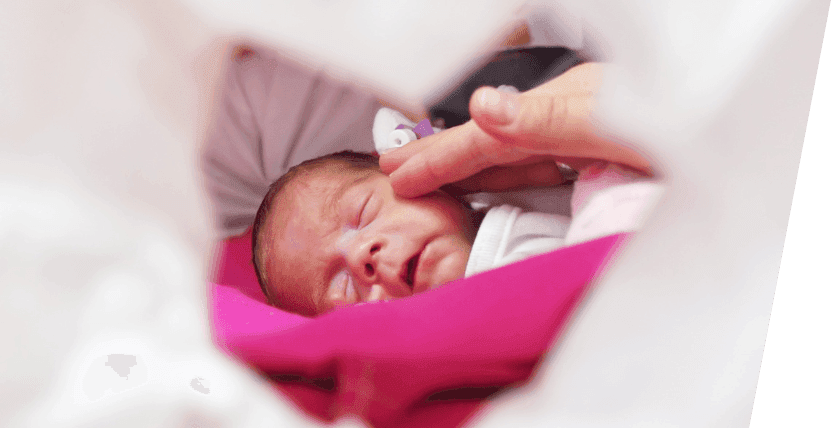
What is Premature Birth? A baby usually completes 40 weeks of gestation from the day of implantation to the expected delivery day. Any baby born before three weeks (37 weeks) of the expected due date is called a preterm or premature baby. Preterm babies are more likely to have developmental delays that increase their risk of complications after birth.
They usually have these problems as a result of poor lung and gastrointestinal development. They might stay in the NICU for weeks or months. Thanks to advances in medical care, even babies born very prematurely are more likely to survive today than ever before.
Babies are divided into three groups according to gestational age, using the terms “Preterm,” “Term,” and “Post term,” respectively:
Preterm births: are when a baby is delivered 37 weeks before gestation (less than 259 days).
Based on gestational age, Premature or Preterm birth has the following subcategories:
Late Preterm Late (34 to 36 weeks)
Very Preterm (less than 32 weeks)
Extremely Preterm (before 25 weeks)
Term: Babies born at 37 to less than 42 weeks of gestation (259 to 293 days).
Post-term: Babies born at or after 42 full weeks of gestation (294 days or more).
Causes of Premature Birth: The cause of premature birth is often unknown. Certain factors, however, are known to increase a woman’s risk of premature labor.
Diabetes (high blood sugar) Hypertension (high blood pressure) Heart or kidney issues Amniotic membrane infection or urinary tract infection. Other causes may also include the following:
Bleeding due to a low-lying placenta or a placenta that separates from the womb. When the mother’s womb is not normally shaped. Multiple births (twins, triplets, etc.) If the mother smoked, used drugs, or drank alcohol while she was pregnant When the mother was underweight prior to becoming pregnant or didn’t gain enough weight while she was pregnant. What Health Problems might occur to the Baby? Premature babies are at higher risk for health problems because their organs aren’t fully developed to function independently. Among these issues are:
Anemia, a condition where infants lack enough red blood cells. Apnea, which occurs when a baby briefly stops breathing; the heart rate may drop, and the skin may turn pale or blue. Breathing issues such as bronchopulmonary dysplasia and respiratory distress syndrome. Hyperbilirubinemia, which occurs when babies have elevated levels of bilirubin, which is produced naturally by the breakdown of red blood cells. This causes jaundice, which is characterized by a yellowing of the skin. A serious intestinal condition known as necrotizing enterocolitis. A heart condition called patent ductus arteriosus. Retinopathy of prematurity, a condition affecting the retina of the eye. Babies may contract sepsis infections before, during, or after birth. Can Premature Births be Prevented? Premature birth cannot always be avoided. However, following these tips, you can help reduce your chances of going into labor prematurely:
Consult your doctor on a regular basis during your pregnancy. Take care of any medical issues, such as diabetes, high blood pressure, or depression. Avoid smoking and consuming alcoholic beverages. Maintain a nutritious diet. Keep a healthy weight. Maintain good hygiene to avoid infections. Reduce your stress. Women who receive prenatal care on a regular basis are more likely to have a healthier pregnancy and baby.
Weight, length and head circumference by gestational age (Boys) Gestational age Weight Length Head circumference 24 weeks 1 lb., 6.9 oz. (0.65 kg) 12.2 in. (31 cm) 8.7 in. (22 cm) 28 weeks 2 lbs., 6.8 oz. (1.1 kg) 14.4 in. (36.5 cm) 10.2 in. (26 cm) 32 weeks 3 lbs., 15.5 oz. (1.8 kg) 16.5 in. (42 cm) 11.6 in. (29.5 cm) 35 weeks 5 lbs., 8 oz. (2.5 kg) 18.1 in. (46 cm) 12.6 in. (32 cm) 40 weeks 7 lbs., 15 oz. (3.6 kg) 20 in. (51 cm) 13.8 in. (35 cm) Weight, length and head circumference by gestational age (Girls) Gestational age Weight Length Head circumference 24 weeks 1 lb., 5.2 oz. (0.60 kg) 12.6 in. (32 cm) 8.3 in. (21 cm) 28 weeks 2 lbs., 3.3 oz. (1.0 kg) 14.1 in. (36 cm) 9.8 in. (25 cm) 32 weeks 3 lbs., 12 oz. (1.7 kg) 16.5 in. (42 cm) 11.4 in. (29 cm) 35 weeks 5 lbs., 4.7 oz. (2.4 kg) 17.7 in. (45 cm) 12.4 in. (31.5 cm) 40 weeks 7 lbs., 7.9 oz. (3.4 kg) 20 in. (51 cm) 13.8 in. (35 cm) How to care for a premature baby at home?
Parents are always hesitant to take their preterm infant home after leaving the safety of the hospital. There is no need to be concerned, though, as caring for preterm infants is similar to caring for healthy infants. There are only a few guidelines that must be followed:
Maintain the Right Temperature You must make sure the baby is kept warm and at a comfortable temperature. A baby’s axillary temperature, which is measured under the arm, should fall between 97.7°F and 99.4°F (36.5°C and 37.4°C), which is considered normal. When taking a baby’s temperature rectally, the normal range is 98.1°F to 99.9°F (36.7°C to 37.7°C).
Help the baby get better sleep. Create a conducive environment for the baby to sleep in by soundproofing the room, lowering the temperature to a comfortable level, and adjusting the lighting.
Feed them more often Preterm babies frequently wake up during the night more than regular babies, so they need to be fed more frequently than regular babies due to their smaller size and increased need for feedings.
Ensure the baby is bathed safely The water used for cleansing should be warm rather than hot or cold. Avoid using soap or shampoo when washing the baby’s hair. It is recommended to clean the baby with a sponge bath till they weigh 2.5 kg. Until the infant is at least one month old, it is advised to refrain from using skin-care products like lotions or oils.
Avoiding Public Places and Welcoming Visitors to your Home Preterm babies are more susceptible to infection, so avoid crowded places. Limiting visitors to the home during the early stages is also preferable, as this will help prevent disease transmission from any ill visitor.
Practice Kangaroo Care and Continue Breastfeeding Kangaroo care should be practiced as long and as frequently as possible. In a warm room at home, dress the baby only in a diaper, place the baby on the chest, and turn the baby’s head to one side to enjoy skin-to-skin contact. Research has shown that Kangaroo care improves parent-infant bonding, promotes breastfeeding, stabilizes the infant’s heart and respiratory rate, improves oxygenation, regulates body temperature, and promotes growth in preterm babies, according to research.
Be Prepared for any Emergency Babies discharged from NICU have a higher re-hospitalization rate than the average newborn infant population. Therefore, it is always better to prepare for an emergency. Find the nearest hospital and the fastest route to it from home. If you are not in a position to leave your home, find homecare services that provide doctor and nurse visits at home. If your baby’s condition is critical, be prepared to call an ambulance. Save the NICU number for future reference.
Prevent Sudden Infant Death Syndrome (SIDS) This syndrome also referred to as “cot death,” causes seemingly healthy babies to pass away while they are sleeping, usually within the first six months of life. Compared to regular babies, premature babies are slightly more at risk. Though the exact cause of this condition is still unknown, there are steps that can be taken to reduce the risk of SIDS, such as:
Never let the baby sleep on the stomach as it harms the body, causing breathing difficulties. It’s okay if they roll over on their own because their brain is developed enough to warn them about potential breathing problems. Side-sleeping is not safe either, as studies have proved that placing a baby to the side rather than the back doubles the chances of SIDS. Co-sleeping has too many risks, so it is preferable to wait until the baby is older before doing so. A pillow or a loose blanket might suffocate the baby. Their air supply could get cut off if someone rolls onto or close to the baby. Breastfeeding the baby for an extended period of time is essential because breast-fed babies wake up more easily from sleep than formula-fed babies; this is one of the reasons why breast-fed babies are less likely to die from SIDS. Smoking or drinking alcohol when breastfeeding increases the risk of SIDS. Apollo Homecare: Caring for a premature baby can be more challenging than caring for a full-term baby. The best way to avoid premature birth is to maintain a healthy lifestyle throughout your pregnancy. To help you with this, Apollo Homecare provides certified and well-trained nurses during and after your pregnancy to educate and assist you in providing comprehensive care for you and your baby.
Reach us out on 1800 102 8586
Or write to us at: reach@apollohomecare.com

Written by:
He is an expert writer with over 10 years of experience in healthcare. He writes on a variety of healthcare subjects.


