

Select City


Select City
Date of posting: 22-02-2025
Reading time: 6 min read
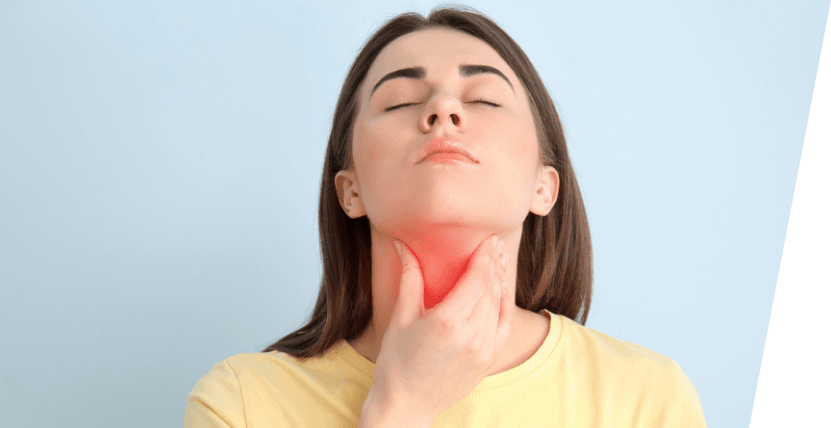
The thyroid gland may be small, but it plays a vital role in maintaining overall health and well-being. Located at the front of the neck, this butterfly-shaped gland regulates essential body functions, including metabolism, energy production, heart rate, body temperature, and growth.
When the thyroid gland produces too much or too little hormone, it can lead to thyroid disorders that affect various aspects of physical and mental health. Early diagnosis and proper treatment are crucial for managing thyroid conditions and preventing complications.
At Apollo Homecare, we offer comprehensive thyroid screening and diagnostic services to help individuals identify thyroid disorders early and receive timely medical support.
The thyroid is a butterfly-shaped endocrine gland located in the front of the neck, wrapped around the windpipe (trachea).
Its primary function is to produce two important hormones:
These hormones regulate the body's metabolism, which is the process of converting food into energy. They influence nearly every organ system and help control how efficiently the body uses energy.
The thyroid works closely with the pituitary gland, located at the base of the brain. The pituitary gland produces Thyroid Stimulating Hormone (TSH), which signals the thyroid gland to produce the right amount of hormones needed by the body.
When this delicate balance is disrupted, thyroid disease can develop.
Thyroid disorders occur when the thyroid gland produces either too much or too little hormone.
Hyperthyroidism occurs when the thyroid gland becomes overactive and produces excessive thyroid hormones.
This causes the body's metabolism to speed up, leading to symptoms such as:
Hypothyroidism occurs when the thyroid gland does not produce enough thyroid hormones.
As a result, the body's metabolism slows down, causing symptoms such as:
The thyroid gland influences multiple body systems and performs several essential functions.
Thyroid hormones control how quickly the body converts food into energy, helping regulate:
Thyroid hormones are essential for:
The thyroid helps maintain normal body temperature by controlling heat production and energy expenditure.
Thyroid hormones influence:
An imbalance can lead to abnormal heart rhythms and cardiovascular complications.
The thyroid affects:
Low thyroid levels often slow digestion, while high levels can increase bowel activity.
Several thyroid disorders can affect hormone production and gland function.
A condition where the thyroid gland produces insufficient hormones.
An overactive thyroid gland producing excessive hormones.
Thyroid nodules are lumps that develop within the thyroid gland.
Most nodules are benign (non-cancerous), but some may require further evaluation to rule out malignancy.
Although relatively uncommon, thyroid cancer can develop within thyroid tissue and may require surgical intervention and specialized treatment.
Thyroid disorders can affect anyone, but certain groups have a higher risk.
Women are significantly more likely to develop thyroid disorders than men.
Hormonal changes during:
can increase the likelihood of thyroid dysfunction.
Although thyroid disorders can occur at any age, they are more frequently diagnosed in middle-aged and older adults.
A family history of thyroid disease increases the risk of developing similar conditions.
Autoimmune disorders such as:
can directly affect thyroid function.
Iodine is essential for thyroid hormone production. Both deficiency and excess iodine intake can contribute to thyroid disorders.
Previous radiation exposure to the head, neck, or chest may increase the risk of thyroid disease and thyroid cancer.
Pregnancy can trigger temporary thyroid dysfunction and may increase the risk of postpartum thyroiditis.
Some medications may interfere with thyroid function and require regular monitoring.
Examples include:
Symptoms vary depending on whether the thyroid is underactive or overactive.
Accurate diagnosis is essential for effective treatment.
The most common diagnostic tool involves measuring:
Ultrasound imaging helps evaluate:
A Fine Needle Aspiration Cytology (FNAC) biopsy may be performed to assess suspicious thyroid nodules and rule out cancer.
This test measures how much iodine the thyroid absorbs and helps determine the cause of hyperthyroidism.
Treatment depends on the type and severity of the condition.
Hypothyroidism is usually treated with thyroid hormone replacement therapy.
Most patients require lifelong treatment with regular monitoring.
Several treatment options are available.
These medications reduce thyroid hormone production.
Radioactive iodine destroys overactive thyroid tissue, reducing hormone production.
In some cases, partial or complete removal of the thyroid gland may be necessary.
Treatment may include:
A balanced diet supports healthy thyroid function.
Always consult a healthcare professional before making major dietary changes or taking supplements.
Thyroid disorders are often long-term conditions, but with proper treatment and regular follow-up, most individuals can lead healthy and active lives.
Successful thyroid management involves:
Finding the right treatment plan may take time, but most patients achieve excellent symptom control and quality of life with proper medical care.
At Apollo Homecare, we understand the importance of early diagnosis and ongoing monitoring of thyroid health.
Our services include:
Accurate testing to evaluate thyroid function and identify abnormalities.
Expert guidance from trained medical professionals.
Convenient sample collection and health assessments from the comfort of your home.
Tailored recommendations and follow-up care based on your individual needs.
The thyroid gland plays a critical role in regulating metabolism, growth, heart function, and overall health. When thyroid hormone levels become imbalanced, they can significantly impact daily life and long-term well-being.
Early detection, accurate diagnosis, and appropriate treatment are essential for managing thyroid disorders effectively. Whether you are experiencing symptoms, have a family history of thyroid disease, or require routine screening, proactive thyroid care can help maintain optimal health.
Apollo Homecare is committed to supporting your thyroid health journey through reliable screening services, expert guidance, and compassionate care.
For Thyroid Screening and Home Diagnostic Services:
📞 Toll-Free: 1800 108 8586
🌐 Website: www.apollohomecare.com
Take control of your thyroid health with trusted care from Apollo Homecare.

Written by:
Apollo HomeCare is a trusted name in home healthcare, dedicated to delivering world-class medical care to patients in the comfort of their homes. With a team of expert doctors, nurses, and therapists, Apollo HomeCare provides personalized healthcare solutions, from post-surgical care and chronic disease management to physiotherapy and elder care. As a thought leader in the healthcare industry, Apollo HomeCare shares insightful blogs on home healthcare trends, wellness tips, and expert medical guidance to help individuals and families make informed health decisions. Our mission is to ensure quality healthcare is accessible, convenient, and compassionate.


